
Wine Tasting 101 at Ponte Winery
A wine tasting at Ponte is an opportunity to learn more about wine while discovering the varieties and characteristics you enjoy most. You don’t need to arrive with extensive wine knowledge. Our servers guide you throughout the tasting, explain what is in your glass and get to know your palate as you go.
Here’s what to expect when you taste with us.
Your Tasting Begins with a Conversation
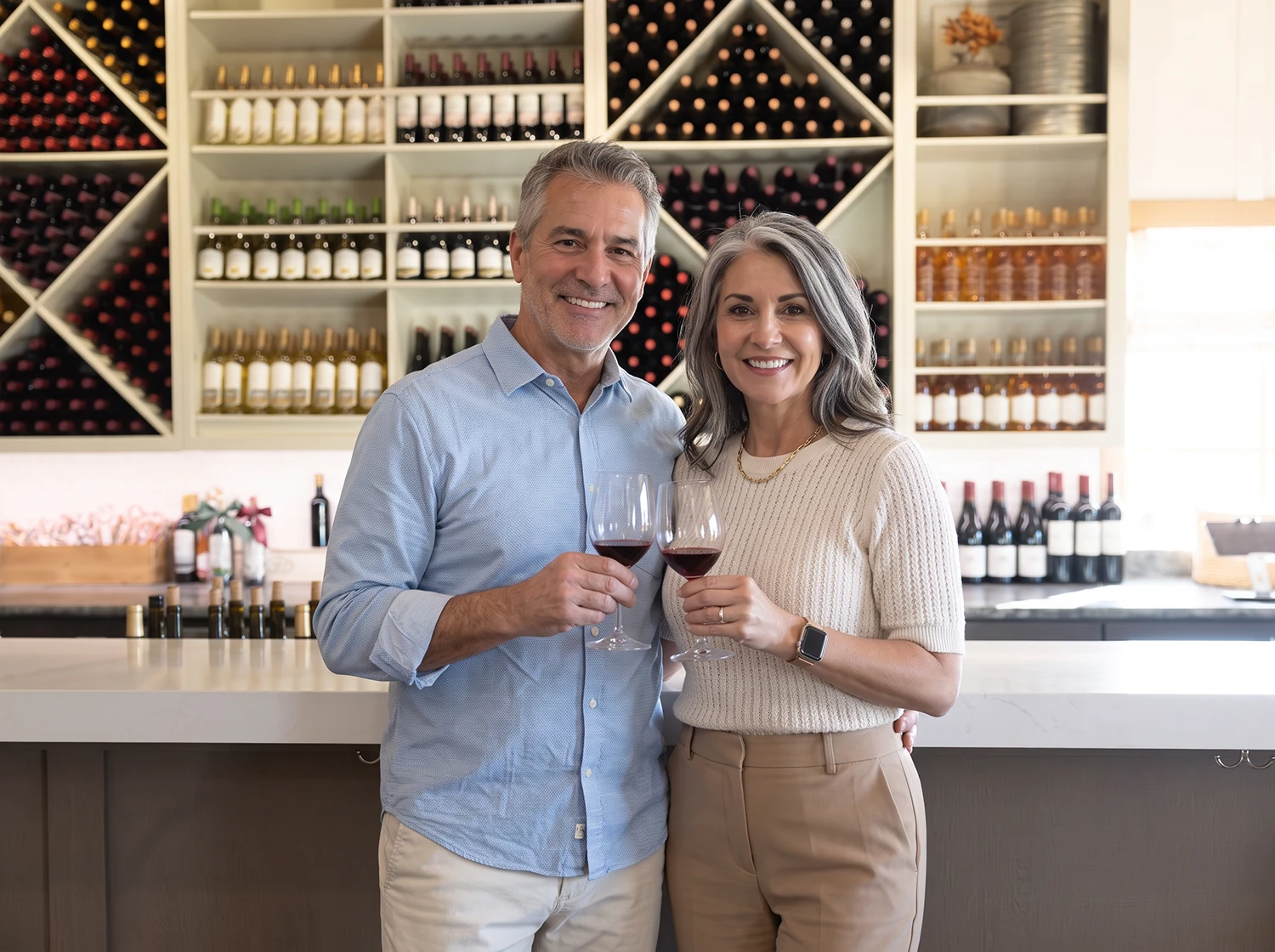
Before your first pour, talk with your server about the wines you already enjoy. Maybe you typically drink dry whites, prefer fuller-bodied reds or are still figuring out what appeals to you.
This gives your server a starting point. As you taste and share your thoughts, they can make recommendations based on the characteristics you respond to.
Why We Taste in a Particular Order
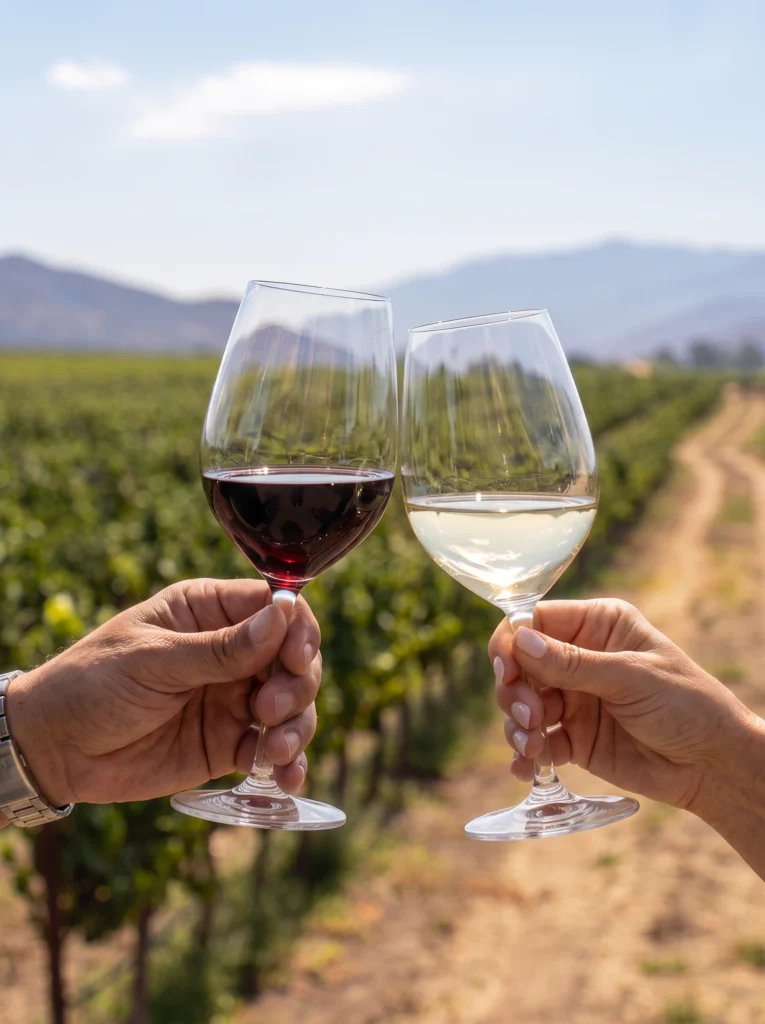
At Ponte, a tasting progresses from white wines to rosés and then reds, generally moving from lighter colors and more delicate characteristics to deeper colors and more pronounced structure.
There is a reason for the order. Beginning with whites allows you to appreciate their acidity, aromas and more delicate flavors before moving into rosés and, eventually, red wines with greater body and tannin. Starting with a fuller red could make a lighter wine tasted afterward seem less expressive.
Following the wines in order gives your palate a better opportunity to experience the individual characteristics of each pour.
Look, Swirl, Smell, Taste
With each pour, begin by looking at the wine. Notice its color, clarity and depth before you taste.
Next, gently swirl the glass. Swirling introduces oxygen and helps release the wine’s aromas. Bring the glass to your nose and take a few short sniffs. Depending on the wine, you may recognize fruit, citrus, flowers, herbs, spice, earth or oak.
Then take a sip and pay attention to both flavor and structure.
Acidity contributes freshness and can create a mouthwatering sensation.
Tannin, most noticeable in red wines, creates a drying or slightly grippy sensation on the palate.
Body describes the weight and texture of the wine, commonly described as light, medium or full.
Sweetness is different from fruitiness. A wine can show ripe, pronounced fruit flavors and still be dry.
Understanding these basic characteristics gives you a useful vocabulary for talking about what you taste.
Share What You’re Tasting
Conversation is an important part of a tasting at Ponte.
You don’t need to identify every aroma or use technical wine terminology. Tell your server what you notice and, most importantly, what you enjoy.
Perhaps you like the acidity of one white but prefer the body of another. You may enjoy the fruit in a red but prefer softer tannins. Those observations help your server understand your palate.
Your dedicated server remains with you throughout the tasting, so their recommendations become more specific as they learn what you like.
Compare One Pour to the Next
Comparing wines is one of the most useful ways to understand them.
As you move through your tasting, consider how each wine differs from the previous pour. Is it lighter or fuller? Is the acidity more noticeable? How does the aroma change? When you reach the reds, compare their tannin and structure.
These differences become easier to recognize when wines are tasted alongside one another and in the proper order.
Pay Attention to the Finish
After swallowing the wine, notice what remains on your palate.
The finish refers to the flavors and sensations that continue after the wine has been swallowed. Some wines finish clean and quickly, while others remain on the palate longer or reveal additional characteristics.
Taking a second sip can also tell you more. A wine may begin to open in the glass, allowing different aromas and flavors to become more apparent.
Learning Your Palate
The purpose of tasting is not to find the wine you are supposed to like. It is to understand what you are tasting and become more familiar with your own preferences.
As you move through whites, rosés and reds, patterns often begin to emerge. You may consistently prefer higher acidity, softer tannins, fuller body or certain fruit and spice characteristics.
Your server can use those preferences to recommend other Ponte wines and help you find bottles for the table, a particular meal or simply your next glass.
Come Taste with Us
Whether you are new to wine tasting or already know the varieties you enjoy, tasting wines side by side is one of the best ways to continue learning.
Visit the Ponte Winery Tasting Room, open daily from 11 a.m.–6 p.m., where your dedicated server will guide you through the wines, answer your questions and help you discover more about your palate.