
If you’ve spent time around wine, you’ve probably heard the phrase estate grown. But what does it actually mean, and does it make a difference in the wine you’re drinking?
Simply put, estate grown means the winery grows the grapes used to make its wine in vineyards it owns or controls. At Ponte, that connection begins in our Temecula Valley vineyards, where we farm 21 grape varieties across nearly 300 acres.
For us, making wine begins long before the grapes arrive at the winery.
It Starts in the Vineyard
A bottle of wine begins with a vine, and caring for that vine is a year-round job.
Each winter, our vineyard team prunes the vines in preparation for another growing season. Bud break arrives around March, followed by bloom and fruit set in the spring. Through the summer, our team tends the canopy and grape clusters as the fruit develops.
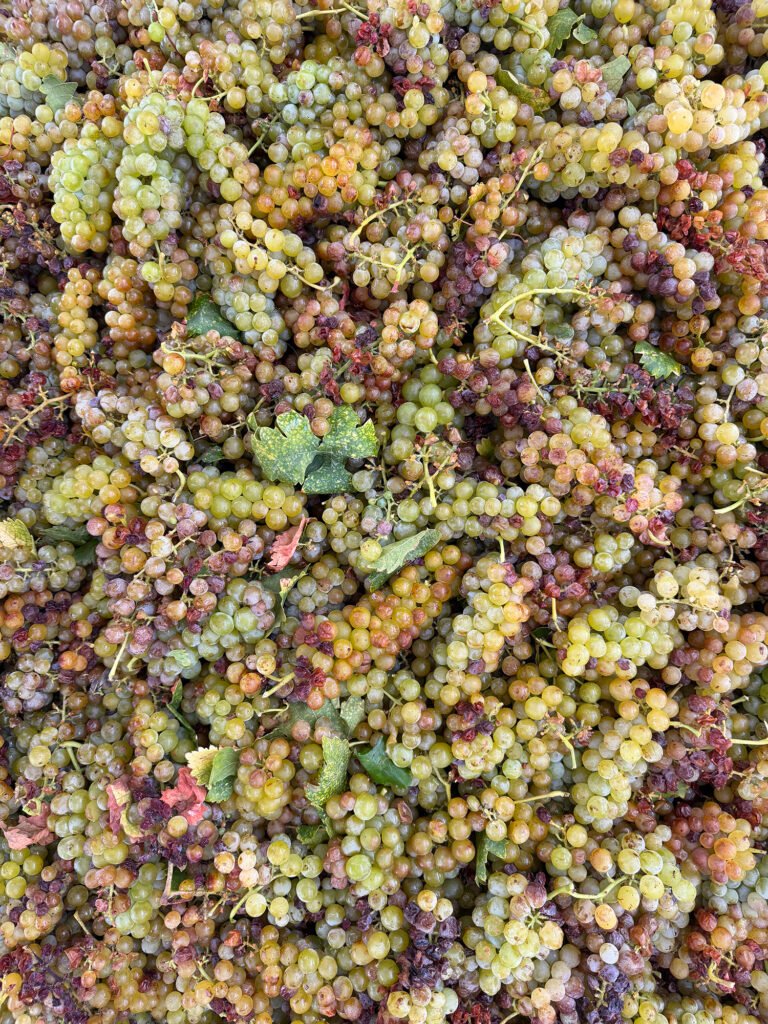
By late June and early July, veraison begins. This is when the grapes start to ripen and change color. Red varieties turn shades of red and deep purple, while white varieties develop their yellow-green color.
It all leads to harvest.
Knowing When to Pick
There isn’t one harvest day for the entire vineyard.
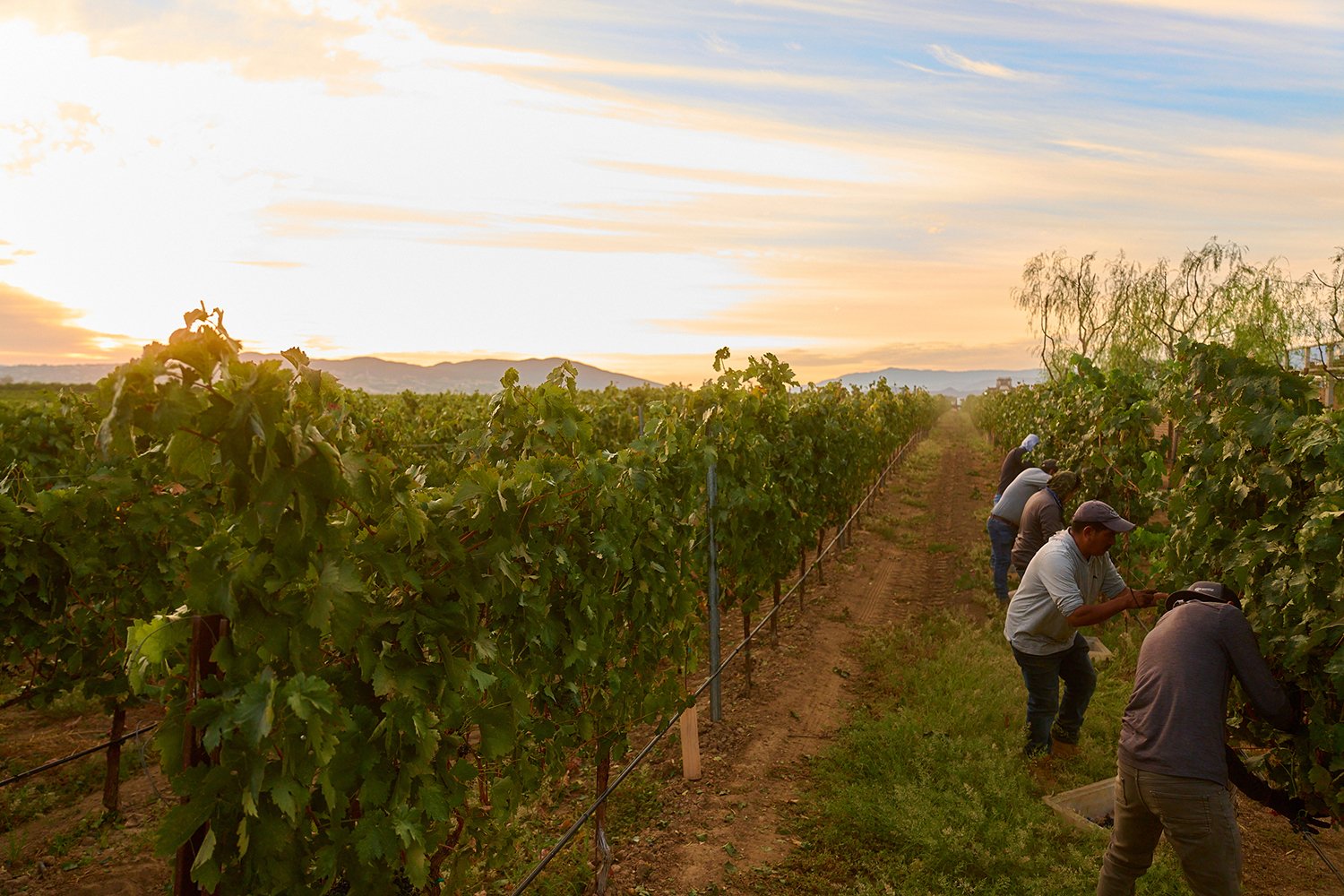
Our grapes generally reach maturity between August and October, and the right time to pick depends on the variety, ripeness and the flavors our winemaker is looking for in the finished wine. Harvest in California typically takes place between August and November.
Most of our vineyard is harvested by machine, while specific varieties are picked by hand when needed. Once the grapes are harvested, they make their way to our winery to begin the next part of the process.
From Grape to Wine
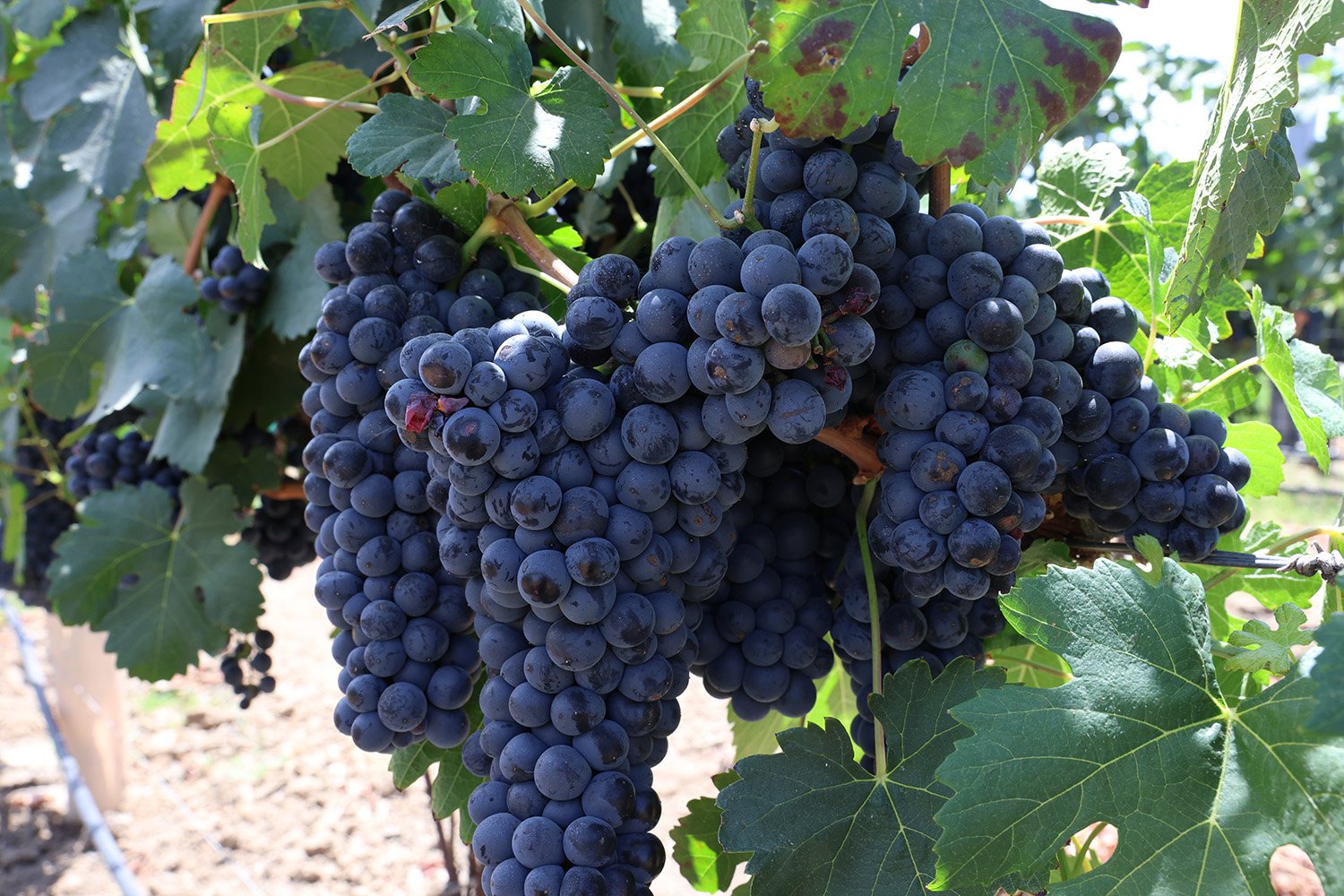
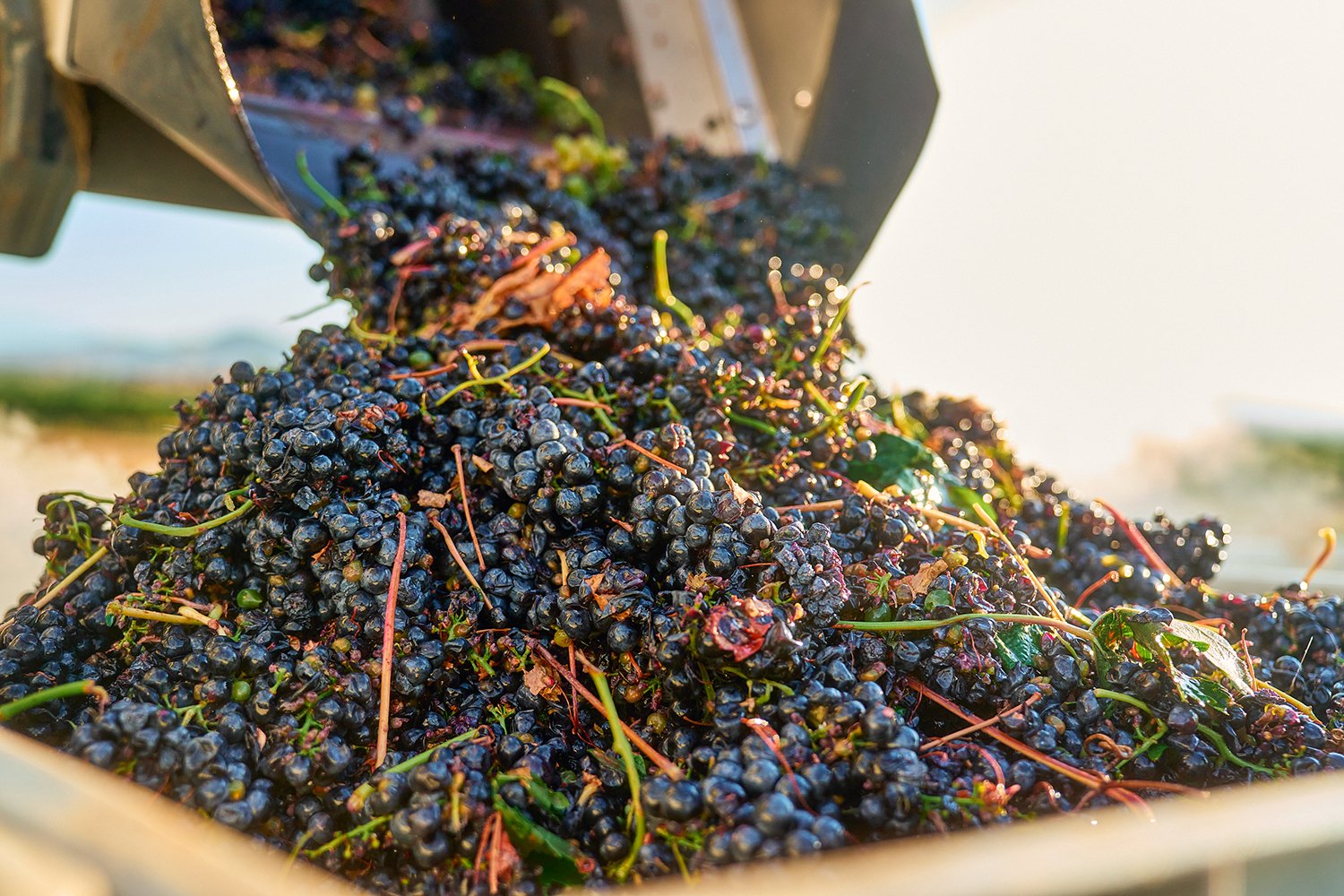
At the winery, harvested grapes are hand-sorted to remove leaves before most varieties are destemmed and crushed.
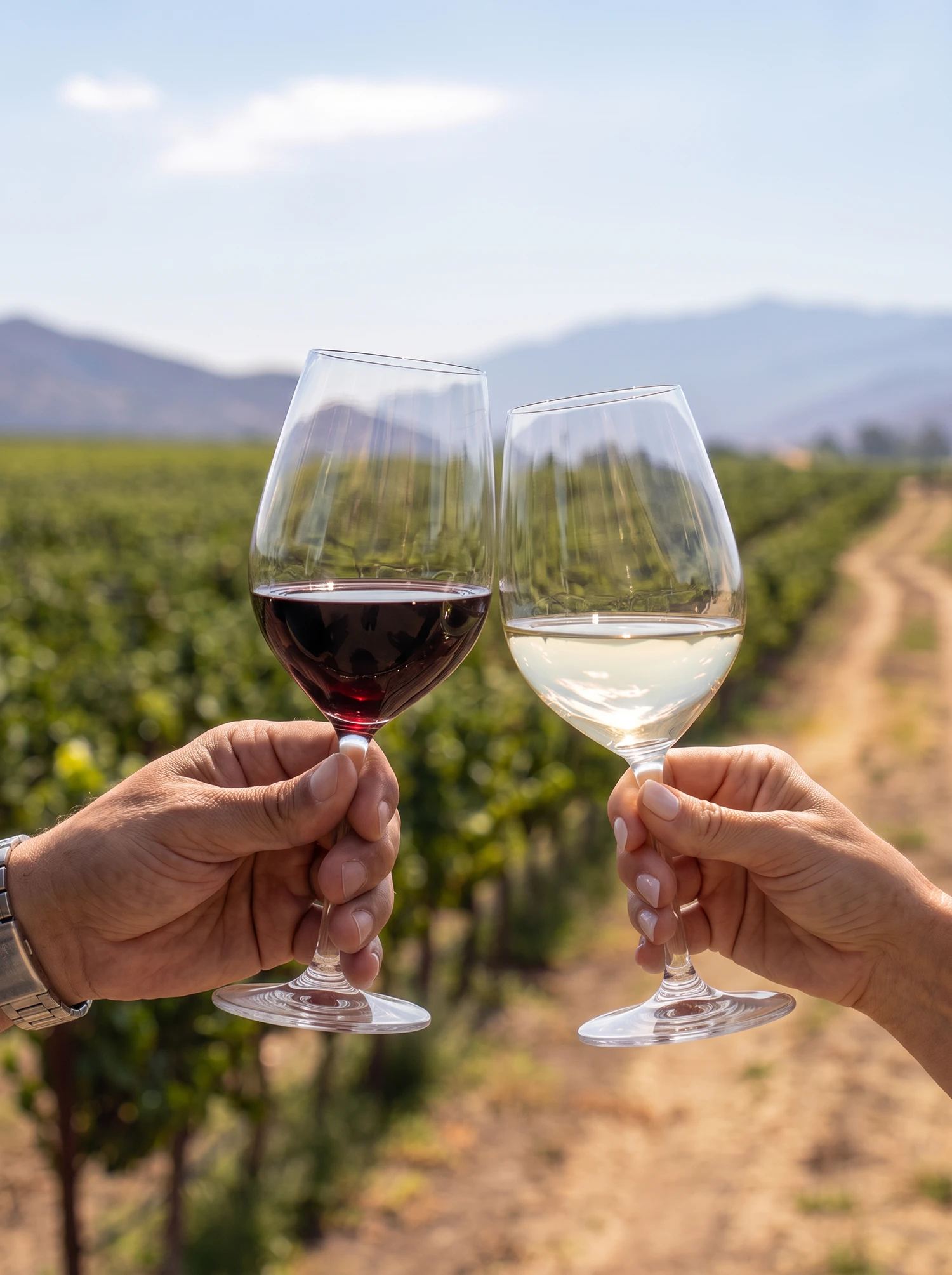
What happens next depends on the wine we’re making. White wine grapes are generally pressed before fermentation, while red wine grapes usually ferment with their skins before being pressed. Those skins contribute to the color and character we associate with red wine.
Fermentation takes place in our stainless steel tanks, where the natural sugars in the grapes are converted into alcohol. Some wines remain in tank until bottling, while our red wines may be transferred to oak barrels to age. Ponte uses oak from France, Hungary and the United States, and some of our reds spend up to two years in barrel.
Grown Here. Made Here.
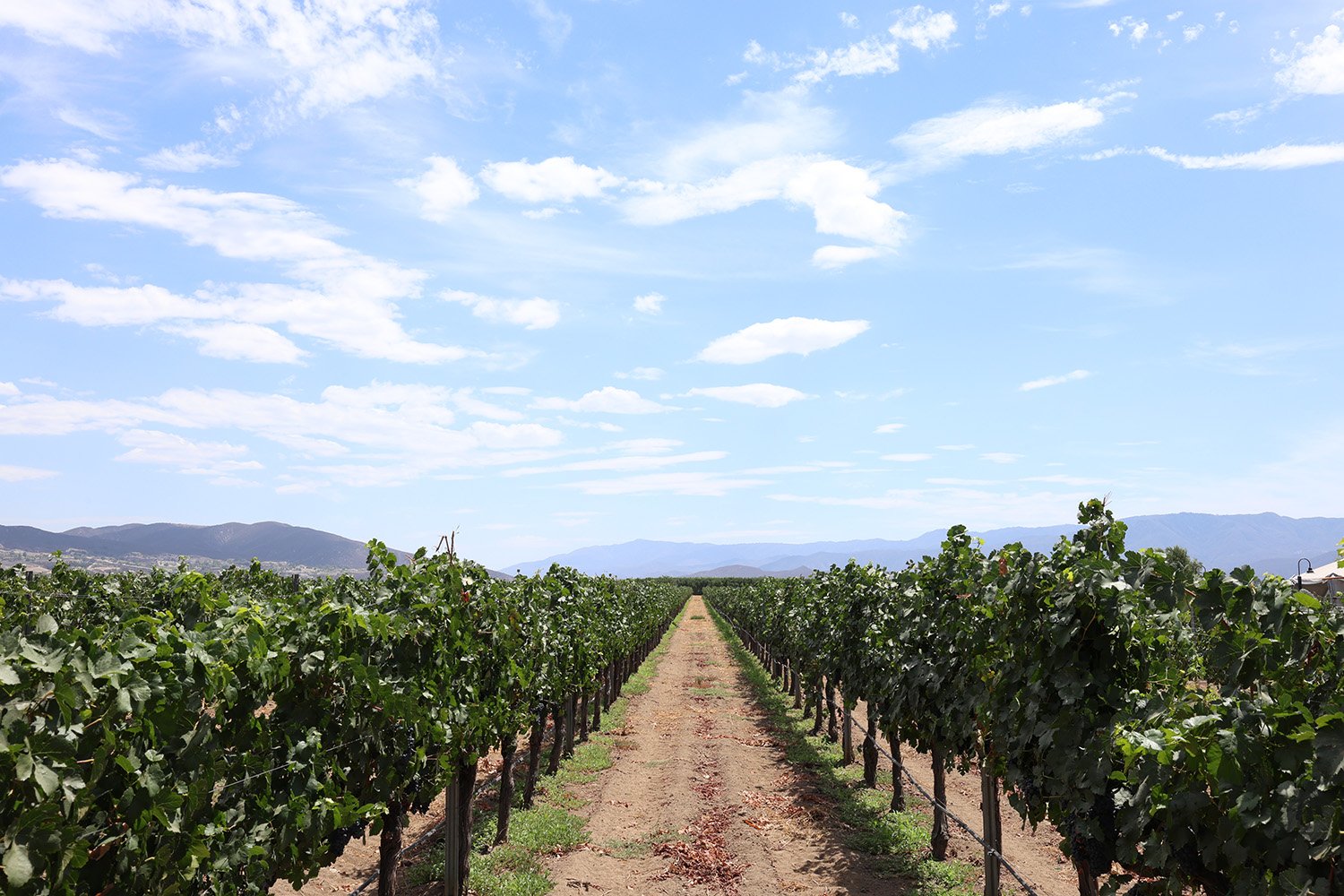
One of our favorite things about making wine at Ponte is how close the entire process is to home.
Our vineyard team cares for the vines throughout the year. The grapes are harvested here in Temecula Valley. Our winemaking team turns that fruit into wine on property. When the wine is ready, we bottle it here, too. Each bottle is filled, corked, capsuled and labeled at the winery.
So, when we talk about estate-grown wine, we’re really talking about a connection to the wine that begins well before the first pour.
Come See Where Your Wine Begins
The next time you have a glass of Ponte wine, take a look at the vineyard around you. Depending on the season, you may see the first signs of bud break, clusters beginning to form, grapes changing color or our vineyard team preparing for harvest.
It’s a chance to see where the wine in your glass began—and perhaps know it a little better because of it.
Ponte Winery Tasting Room
Open daily, 11 a.m.–6 p.m.