Our Vineyards

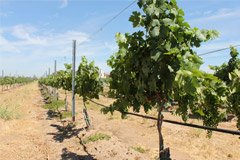
Quality wine begins in the vineyard, and our vineyards are a constant source of pride, worry and inspiration. We farm 21 varieties on nearly 300 acres, making ours one of the largest vineyards in Temecula. Our vineyard team keeps us up to date on the latest viticulture techniques and works hard to make sure our grapes thrive year after year so we can deliver the wines our guests love.

Practices

Care of the vineyard is year round. Our team adheres to meticulous practices through the seasons to ensure the vines produce the highest quality fruit they can. Visit the winery during different seasons to see the incredible changes the vineyard goes through.

Pruning

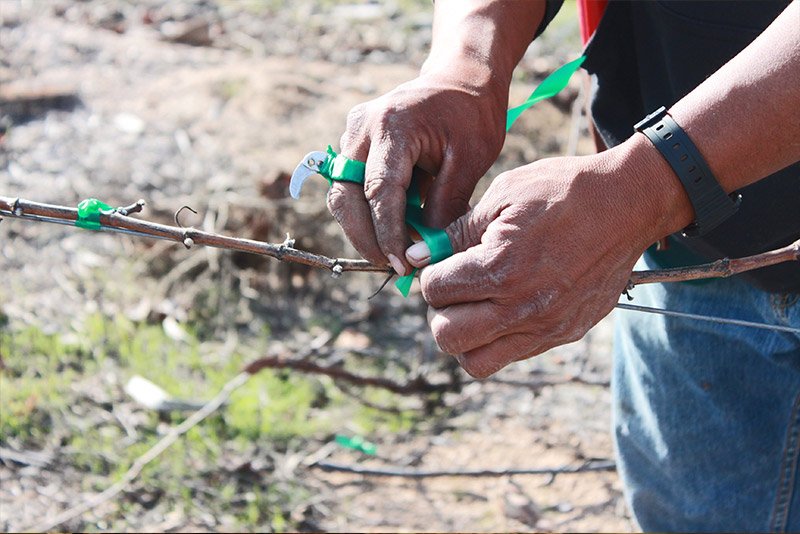
Balance is essential in pruning. Pruning is the act of cutting last year’s canes to leave a predetermined number of fruiting buds on the vine, which takes place between January and mid-February.

Bud Break

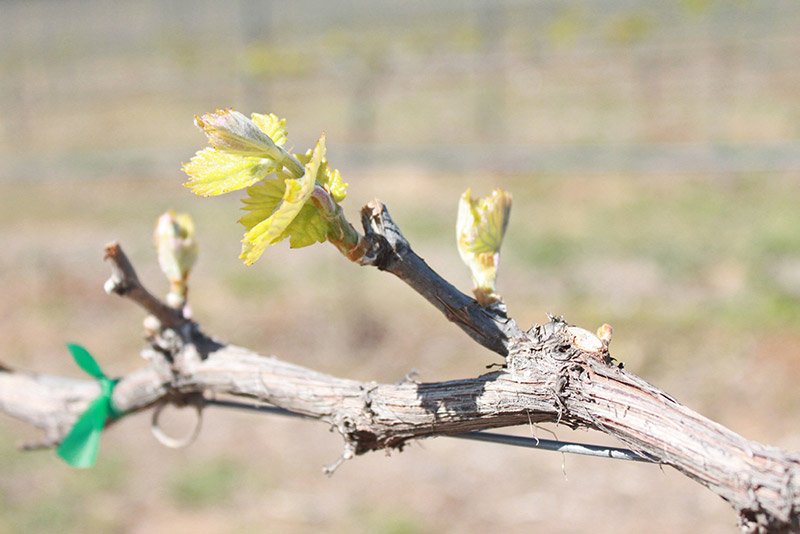
Buds are the small part of the vine that rest between the vine’s stem and the leaf stem. Bud break in California occurs in the month of March, when tiny buds on the vine start to swell and eventually, shoots grow from the buds.

Bloom

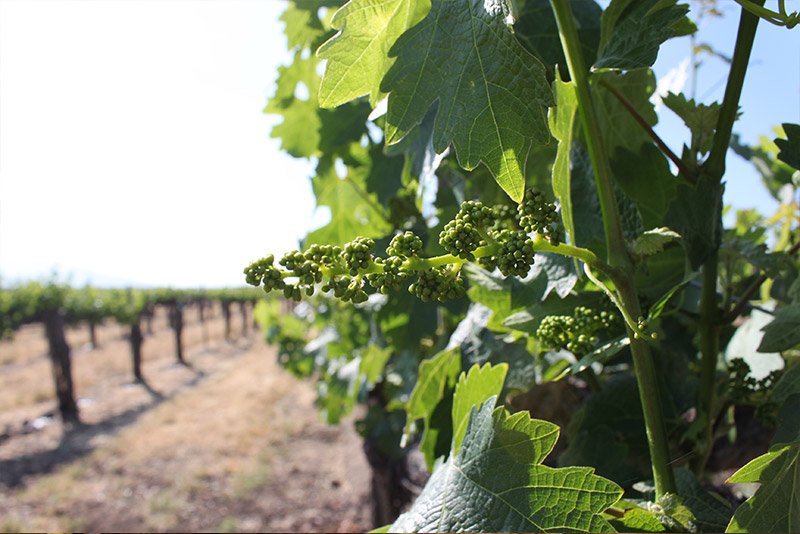
Following bud break, in April the buds become the new season’s canes and flowers. Each flower cluster will become a bunch of grapes.

Fruit Set

In late April, the flower begins to develop a seed and grape berry to protect the seed. This stage is critical to wine production as it determines the potential crop yield.

Hedging

These are wines made primarily from a single variety of grape, like Cabernet Sauvignon, Pinot Grigio, Vermentino, Chardonnay, Sangiovese, Tempranillo and Montepulciano.

Leaf Pulling

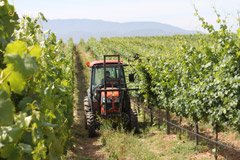
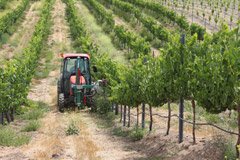
Leaf pulling is conducted in the summer months with our Clemens De-Leafer. By pulling leaves, we allow air, light and disease control products to penetrate the canopy and reach the clusters. For our red varietals, we de-leaf on the “morning side” of the rows to add more polyphenols to the grapes, which strategically helps the color and structure of the wine.

Veraison

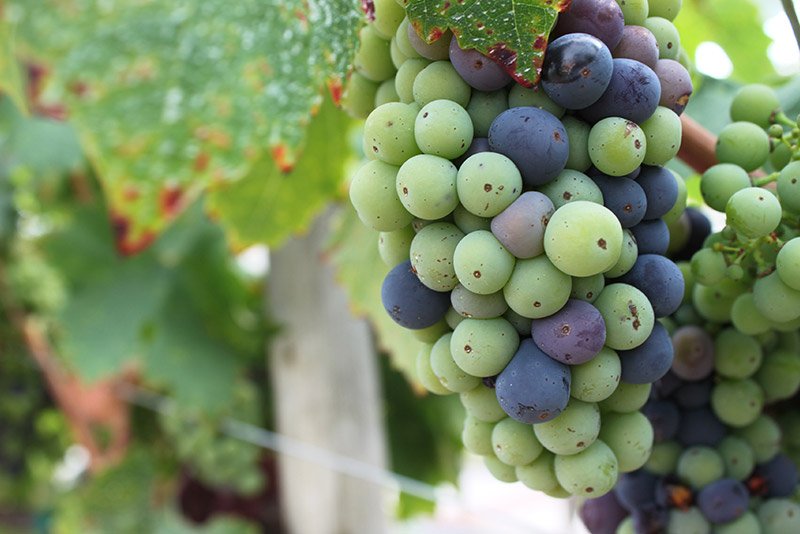
Veraison occurs about 40-50 days after the fruit has set, typically in late June, early July, which begins the fruit ripening process. The grapes begin to change from green to red/black or yellow/green depending on the variety.

Maturity

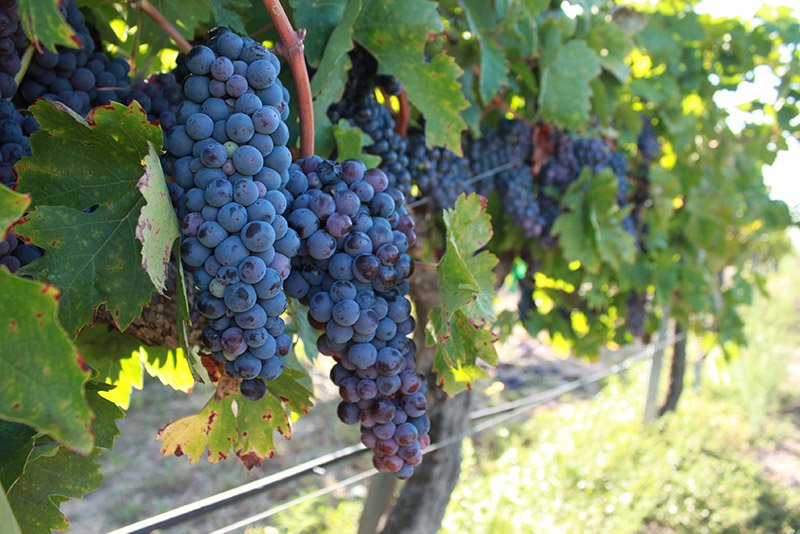
The grapes reach maturity from August to October, which is the completion of the ripening process of the grapes on the vine. What constitutes the exact ripeness varies depending on the style of wine being produced, and what the winemaker considers optimal flavors.

Harvest

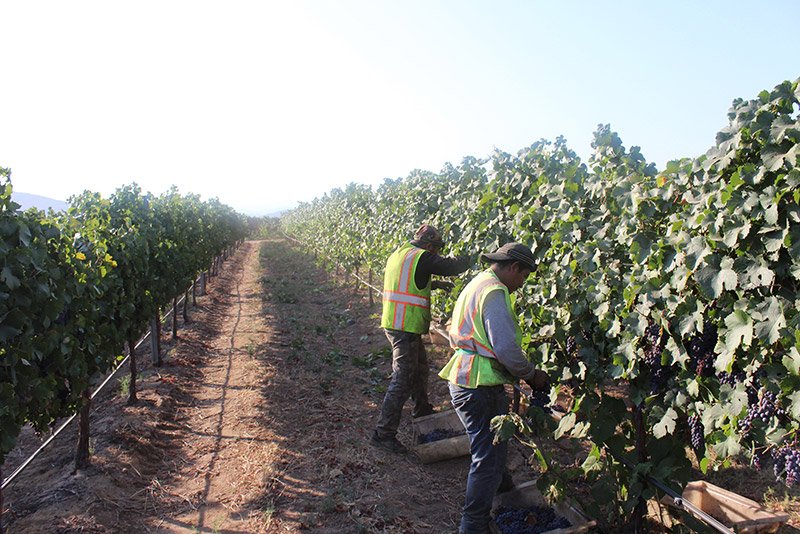
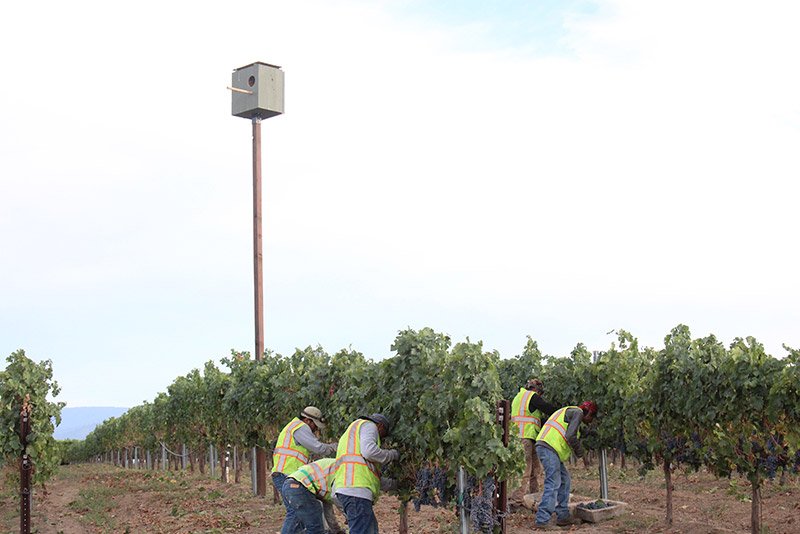
Harvest is one of the most crucial steps in the winemaking process, and is determined primarily by the ripeness of the grape. In California, harvest typically occurs between August and November.

Dormancy

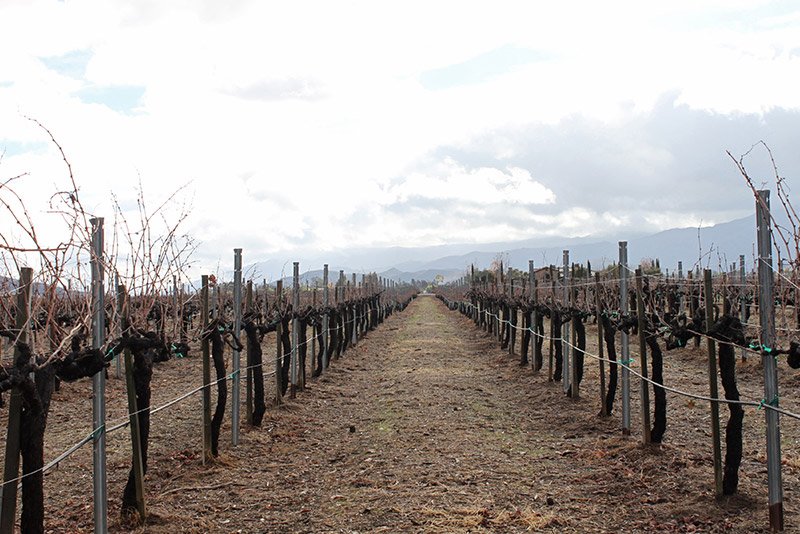
After harvest, the vine enters a period of dormancy in late November. Reacting to the cold weather, the vine changes colors and it drops its leaves. At the end of this phase, the vine is pruned and trained so that it can yield a better crop the following season.

Production

It is obvious that you need great grapes to make excellent wine, but you also need proper equipment and a team of experienced winemakers. Modern, Italian-made equipment & close attention to detail are two necessities of winemaking here at Ponte.

Harvest

The first step in any winemaking process, harvest takes place when the sugar levels in the wine are just right. We harvest a majority of our vineyard by machine, and reserve picking by hand for specific varietals that require it.

Destemming

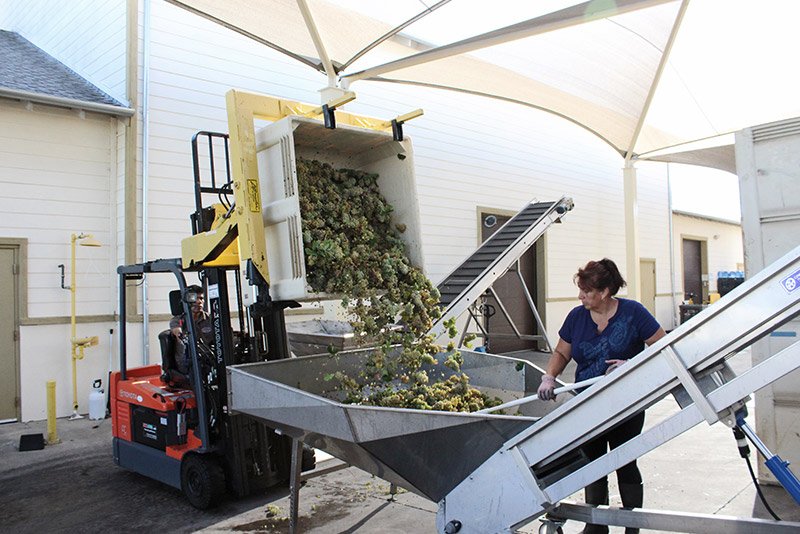
After hand-sorting to remove leaves, most harvested grapes go through the destemming process. We use a machine that removes the berries from the stems, then passes them though a crusher.

Press

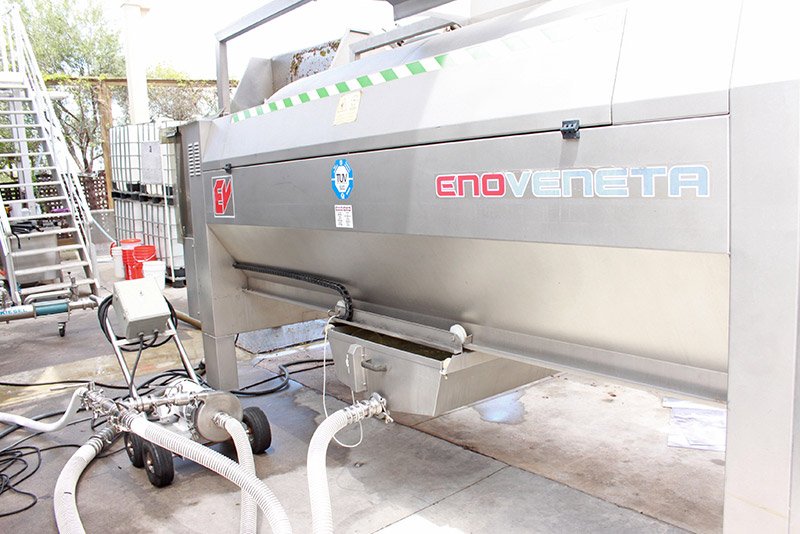
Not all grapes are pressed right away. The time-line varies depending on the type of grape, and the type of fermentation our winemaker is looking to achieve. White wine grapes are pressed, then added to tanks for fermentation with or without their skins (depending on the variety). Red wine grapes usually retain their skins for the fermentation process, and are pressed afterwards.

Fermentation

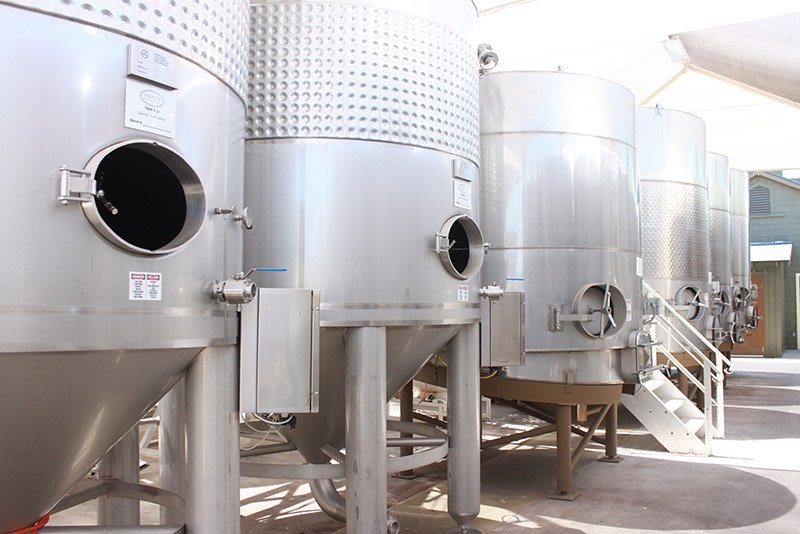
Fermentation is the process in which sugars are converted to alcohol, and occurs in our large stainless steel tanks. The insulated steel tanks have a cooling jacket to ensure a constant temperature during this process. White wines remain in the tanks to await bottling while our red wines typically spend 1-4 weeks in the tanks before being transferred to age in oak barrels.

Barrel Aging

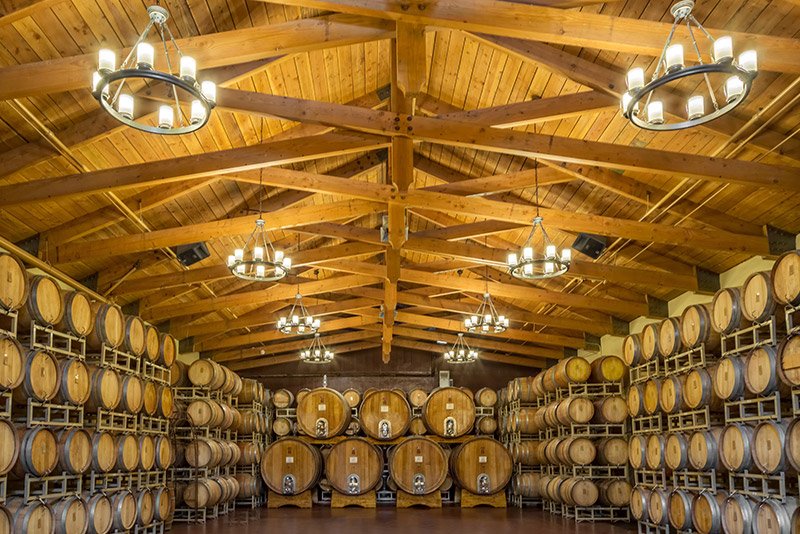
For aging our red wines, and to briefly ferment a few of our white wines, we use oak barrels from France, Hungary and the United States. Oak barrel aging can have a profound effect on the resulting color, flavor, tannin profile and texture of the wine. We typically use our barrels for approximately 3 to 5 years before recycling them, or using them for aging our Port. Our red wines may spend up to 2 years in the barrels before bottling.
Bottling

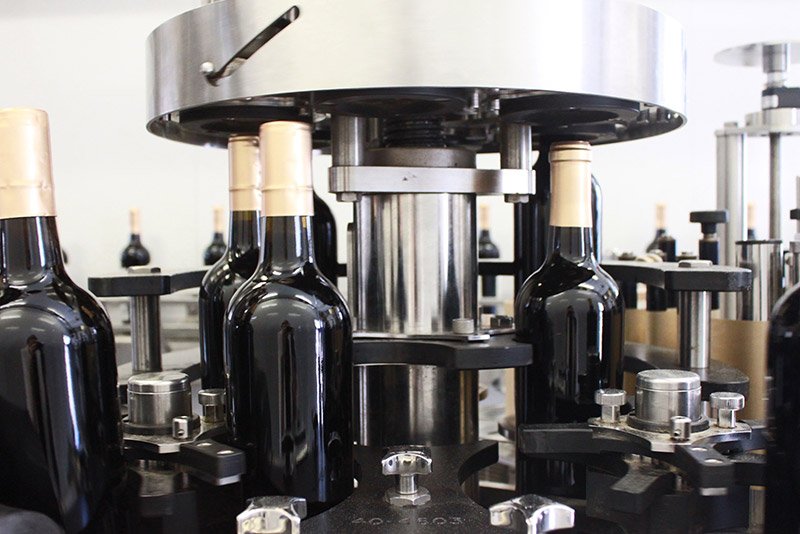
After our wines have been aged to perfection in the tank or barrel, we bottle them on-site. Just like every other step of our winemaking process, we pay close attention to cleanliness so the natural flavors are preserved. The bottles are filled, corked, capsuled and labeled right here on property. The process of grape to glass is complete, and a new bottle of Ponte wine is ready to be enjoyed!

Sunday Lunch

Join us for a family style sharing lunch where our chefs walk you through the seasons.

Our 3-course set menu is £65 per person